Why Mealtime Is One of the Most Important Parts of Camp
Most people think of camp meals as just logistics. You’ve got 80 kids, they need to eat between activities, so you set up a delivery service. But anyone who’s actually run a camp knows it goes deeper than that.
Mealtime is where kids slow down. It’s often the only part of the day where they’re sitting still, talking to the people around them, and not running to the next thing.
Camp operators see this firsthand. The meal program isn’t separate from the camp experience. It is the camp experience, at least three times a day. And the quality of that food, how it shows up, what it looks like on the plate, whether kids actually want to eat it, all of that shapes how campers feel about being there.
The Real Challenges of Feeding Kids at Summer Camp
Running a camp meal program in Miami comes with a unique set of challenges that go well beyond just setting up delivery. Here’s a few of them:
Allergies and Dietary Restrictions Are More Complex Than Ever
If you’ve been running a camp for more than a few years, you’ve watched this shift happen in real time. Nut allergies, gluten sensitivities, dairy-free needs, families who are vegan or vegetarian, religious dietary requirements continue to become more common.
So how do you address this? It goes well beyond just offering alternatives on the menu. We’re talking about cross-contamination protocols, clearly labeled food at every station, and making sure the people handling the meals actually understand what’s at stake.
The right summer camp catering partner in Miami will collect all of that dietary information well before camp starts and build the entire menu around it. Allergies shouldn’t be treated like last-minute exceptions. They need to be baked into the program from the beginning.
Miami Heat Changes the Nutrition Game
This one is specific to us here in South Florida. Running a camp outdoors in June, July, and August when it’s 90+ degrees with humidity on top of that? Hydration and energy become real operational concerns, fast. Kids burn through calories quicker than you’d expect in this heat, and they’re usually having too much fun to stop and drink water on their own.
A thoughtful summer meal service makes a real difference here. Think watermelon and cucumbers at snack time, citrus with lunch, and meals anchored by lean proteins, whole grains, and complex carbs that give kids lasting energy instead of a sugar crash at 2 PM. Loading them up with heavy fried foods when it’s that hot outside? Not helpful. Kids get sluggish, they don’t want to move, and the afternoon activities suffer.
Meals Parents Approve of and Kids Want to Eat
Here’s the tension every camp meal program deals with: parents want to know their child is getting properly nourished and that the food is being prepared and served safely. That’s non-negotiable for them, and rightly so.
But then there’s the reality of actually getting a seven-year-old to eat. You can put the most perfectly balanced, nutritionist-approved plate in front of a kid and they’ll push it to the side if it doesn’t look or taste like something they want.
The best summer camp caterers in Miami know where those two things overlap. Fresh, whole ingredients prepared in a way that kids recognize and enjoy. Enough flavor and variety that they’re going back for seconds instead of trading their lunch for someone else’s snack. When a camp can honestly tell parents that their meals are designed by a nutritionist and made with fresh ingredients, and the kids are actually eating it? That’s a big deal for enrollment and trust.
Consistency and Timing Can’t Slip
Camp schedules don’t have a lot of give. Activities are planned back to back, staff have their day mapped out, and when food shows up late or the menu is different from what everyone expected, the whole operation feels it. A reliable summer camp catering partner shows up on the same schedule every day, communicates early if something needs to change, and has enough kitchen capacity that a jump in enrollment doesn’t throw everything off.
What a Strong Camp Meal Program Actually Looks Like
After working with schools and camps, here are a few patterns stand out in the programs that really work well:
Let kids build their own plates. Serving food deconstructed, in separate components instead of pre-assembled, sounds like a small thing but it changes behavior. Kids who won’t touch a sandwich will happily eat the turkey, the cheese, and the bread separately. They get to choose what goes on their plate, which makes them more willing to try something unfamiliar. And you end up with way less food going in the trash.
Plan real nutrition into every meal. Whole grains and fresh fruit at breakfast, colorful vegetables with lean proteins at lunch, and dinners that actually sustain energy for whatever the evening has planned. The food should still be fun and taste good. But there’s a big difference between “kid-friendly” and “nutritionally empty,” and the menu should land firmly on the right side of that line.
Build a routine around the meal. Kids do well with structure, especially in a camp setting where everything else is new and a little unpredictable. Same time every day, same general flow from sitting down to cleanup. Some of the best camp dining programs we’ve seen also build in music, group activities, or just protected time for conversation. It turns lunch from a pit stop into something campers actually look forward to.
Reflect Miami’s culture on the table. The camp population in Miami-Dade and Broward is incredibly diverse. The menu should reflect that. Latin flavors, Caribbean dishes, Haitian staples, and American favorites all have a place. When kids see food that reminds them of home sitting right next to something they’ve never tried before, they feel comfortable enough to eat well and curious enough to explore.
What Camp Directors Should Look for in a Meal Partner
If you’re evaluating food service options for a summer camp in Miami, here’s what we’d suggest paying attention to:
They’ve done recurring child meal programs before. There’s a world of difference between catering a one-time birthday party and running daily meal service for 100+ kids all summer. Look for a partner who already knows the rhythm of feeding children day after day.
Allergy management is built in, not bolted on. Ask how they collect dietary information, how they prevent cross-contamination, and how they label food. If those answers sound improvised, keep looking.
There’s a nutritionist involved in menu planning. Particularly for camps with younger children, having someone with real credentials designing the meals means you’re not just guessing at what a growing kid needs on a 95-degree day.
They have a real commercial kitchen. Not a home kitchen, not a rented space. A fully equipped facility that can handle volume swings when your enrollment goes up mid-summer without the food quality taking a hit.
Parents would be impressed, not just satisfied. The meal program is visible to families. It shows up in pickup conversations and parent surveys. A commitment to fresh, well-prepared food that accounts for allergies and cultural preferences builds trust with the families you want to keep coming back.
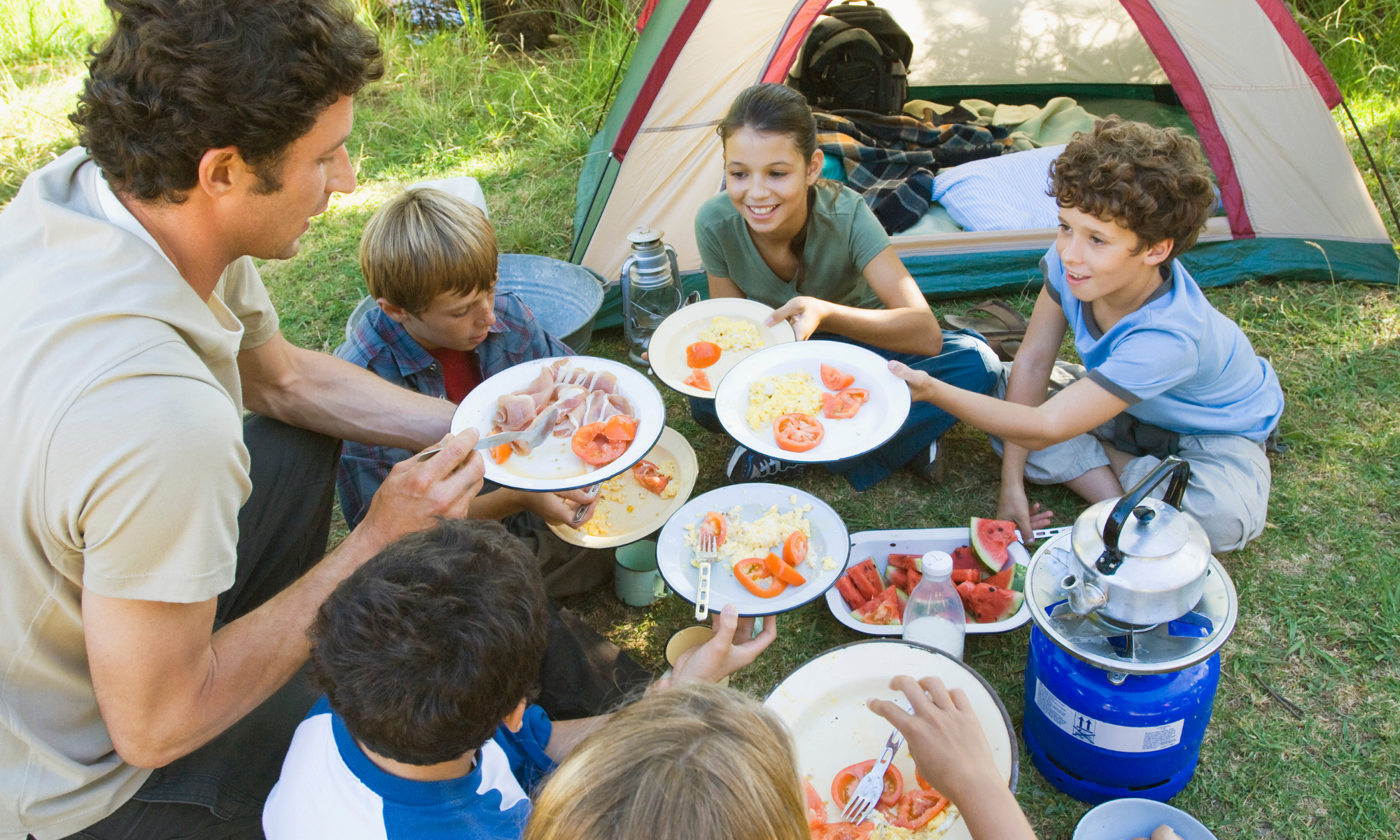
Let's Build a Summer Meal Program Your Campers Will Love
We already work with schools and childcare centers across Miami-Dade and Broward on daily meal programs, and our approach to summer camp catering is built on that same foundation. Our nutritionists design menus around the specific needs of your campers, covering everything from allergy protocols to age-appropriate portions to the kind of fresh, flavorful food that keeps kids going in the South Florida heat.
We operate out of a fully equipped commercial kitchen in Miami. Every meal is chef-prepared daily with fresh ingredients and delivered on a schedule your staff can count on. You’ll have one point of contact who knows your camp and your needs personally.
If you’re planning a summer meal service for kids in Miami this season and want to see what a custom program looks like, we’d love to talk. We’ll start by learning about your camp, your campers, and your schedule, and put together a proposal around what actually works for you.
Planning meals for a camp, school, or childcare program? See our school & childcare meal programs in Miami.